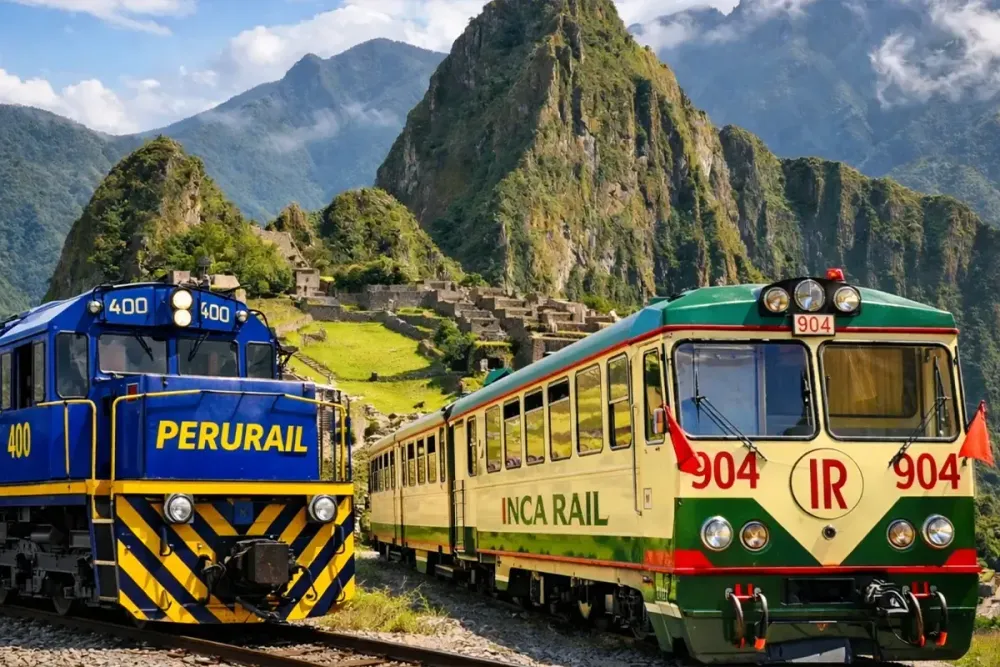
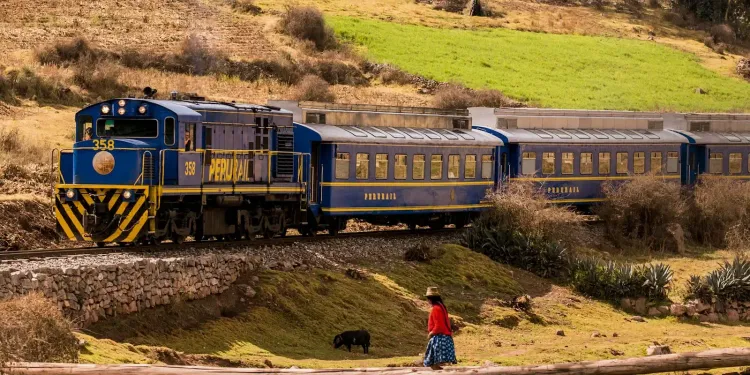
The Cusco to Machu Picchu train runs on a single track operated by two companies, PeruRail and Inca Rail, and every service ends at Aguas Calientes, the town at the base of the citadel. From there a short bus carries you up to the entrance. Your decision comes down to which company, which class and which station fits your trip, because all the trains cover the same route at a similar pace.
This guide walks through both operators, their classes from budget to luxury, where the trains depart, how long the ride takes, and how to pick the right seat. By the end you should know exactly which Machu Picchu train option matches your budget and travel style.
Read
How to Choose and Book a Sacred Valley Tour from Cusco
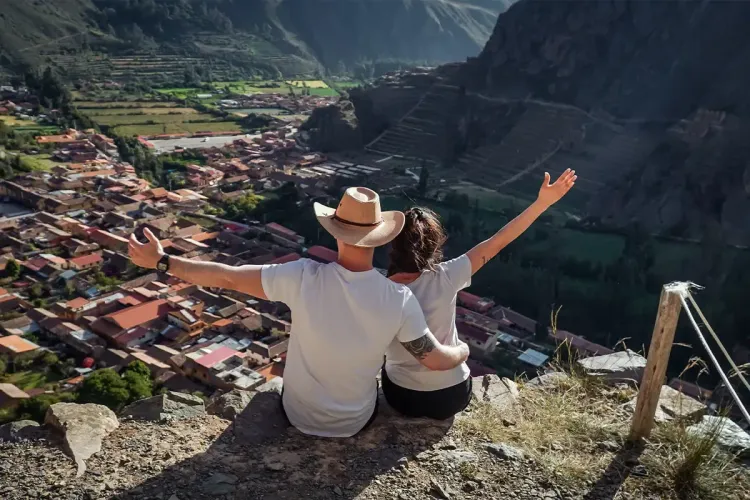
Choosing a Sacred Valley tour from Cusco starts with one question: do you want to return to Cusco after exploring the valley, or continue to Machu Picchu?
A classic day tour visits several Sacred Valley highlights before returning to Cusco. A two-day Sacred Valley and Machu Picchu package connects your first day of sightseeing with a train journey to Aguas Calientes, an overnight stay, and a visit to Machu Picchu the following day.
These options have different routes, inclusions, and accommodation arrangements. This guide explains how to compare them, what to check before booking, and which itinerary fits your travel plans.
Read
The Best Time to Visit Machu Picchu
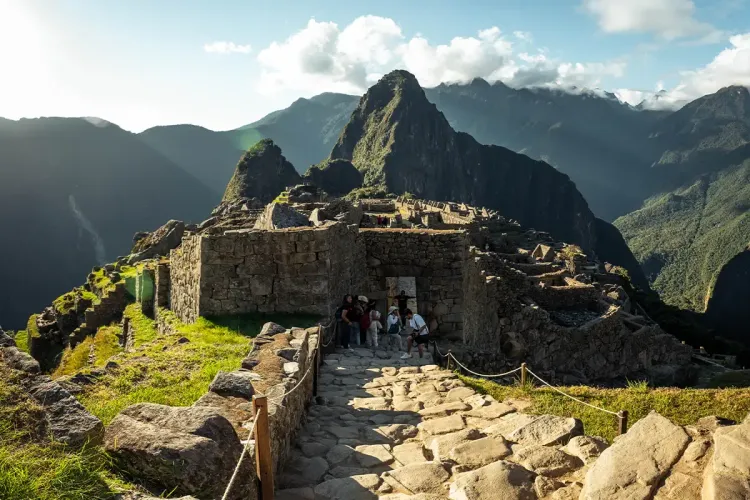
The best time to visit Machu Picchu is the dry season, roughly May through September, when clear skies, mild days and reliable trail conditions line up. The trade-off is crowds, since those same months are the busiest of the year. If you care more about having the ruins to yourself, the shoulder months of April, May, September and October give you most of the good weather with a fraction of the foot traffic.
Temperatures at Machu Picchu barely move across the calendar, so your decision is really about rain and crowds, not heat and cold. Below is a practical, month-by-month breakdown to help you pick dates that match your priorities, whether that is flawless photos, a quieter visit, or a specific trek like the Inca Trail.
Read
Machu Picchu Ticket Prices 2027 and How to Book
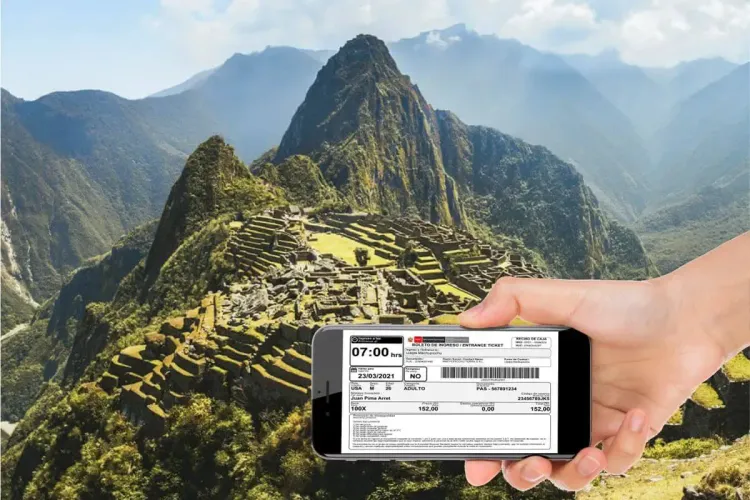
A standard Machu Picchu entrance ticket for a foreign adult costs about S/163 (roughly US$45) for 2027, and routes that include a mountain climb run about S/211 (roughly US$60). You buy every ticket through one official government website, not at the gate, which is the part most first-time travelers get wrong. This guide breaks down the Machu Picchu entrance ticket prices for 2027 by circuit and route, explains the extra costs that are not part of the entrance fee, and walks you through the booking steps so you reserve the right ticket on the first try.
As a Peru-based tour operator, we book these tickets for US travelers every week, so the prices and rules below reflect how the system actually works at the gate, not just what a price list says.
Read
How to Get to Machu Picchu from Cusco – Full Guide
There are three practical ways to get to Machu Picchu from Cusco: the train from Ollantaytambo, the train from Poroy near the city, or the low-cost overland route through Hidroelectrica. Most travelers pick a train for speed and comfort, while budget travelers take the long road to Hidroelectrica and walk the final stretch. This guide covers each Cusco to Machu Picchu option, with real travel times, distances, and timing advice so you can choose the route that fits your schedule and budget.
Machu Picchu sits about 80 km northwest of Cusco, but there is no direct road to the citadel. That single fact shapes every route below. You will always end up in the small town of Aguas Calientes at the base of the mountain, then ride a short bus or walk up to the entrance.