Yes, Machu Picchu works well for families, and the citadel is more manageable than most parents expect. Machu Picchu sits at 2,430 m, about 7,972 ft, which is actually lower than Cusco, so the real planning challenge is the high-altitude towns you pass through, not the ruins themselves. This guide walks you through the right age to go, how to handle altitude and long travel days, which routes suit kids, and what to pack so the trip runs smoothly. Visiting Machu Picchu with kids rewards a little extra planning. Get the pacing and acclimatization right, and children often remember the llamas, the stone terraces and the train ride as much as any adult remembers the views.
Key takeaways
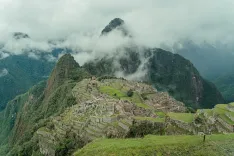
- Machu Picchu itself sits at 2,430 m (about 7,972 ft), lower than Cusco, so the citadel is manageable for most healthy children (UNESCO).
- The real altitude challenge is Cusco at roughly 3,400 m; the CDC advises acclimatizing 2 to 3 nights before going higher.
- Children handle Machu Picchu well from about age 6 or 7, when they can walk uneven stone paths and follow a guide.
- Choose Circuit 2 for the classic postcard views without steep climbs; skip Huayna Picchu, which bars children under 12.
- A private, flexible family tour reduces long waits and lets you set the pace around nap times, snacks and energy levels.
Is Machu Picchu Suitable for Children?
Machu Picchu is suitable for most healthy children, and the site is gentler on the body than Cusco because it sits lower. The citadel's 2,430 m elevation means less of the breathlessness families feel in the city. The main site has uneven stone steps and some drop-offs, so kids who can walk steadily and follow instructions do best.
For most families, the question is less about the ruins and more about the journey. Reaching Machu Picchu involves a flight, a few nights adjusting to altitude, a scenic train, and a bus up a switchback road. Children who travel reasonably well will handle this with the right pacing.
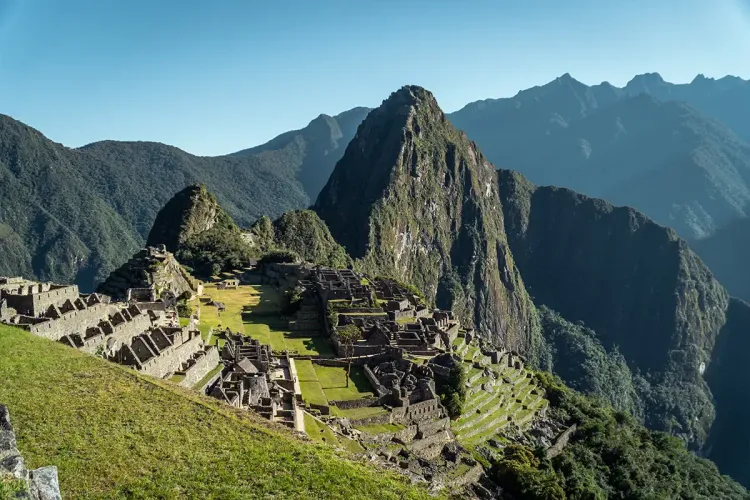
A family Machu Picchu tour tends to run more smoothly than a self-guided visit with kids. A guide handles tickets, timing and the entry circuits, which frees parents to focus on their children rather than logistics. At Machupicchutour, our family trips are built around flexible pacing, with time for snacks, photo stops and rest instead of a fixed march through the site.
What Is the Best Age and How Should You Prepare?
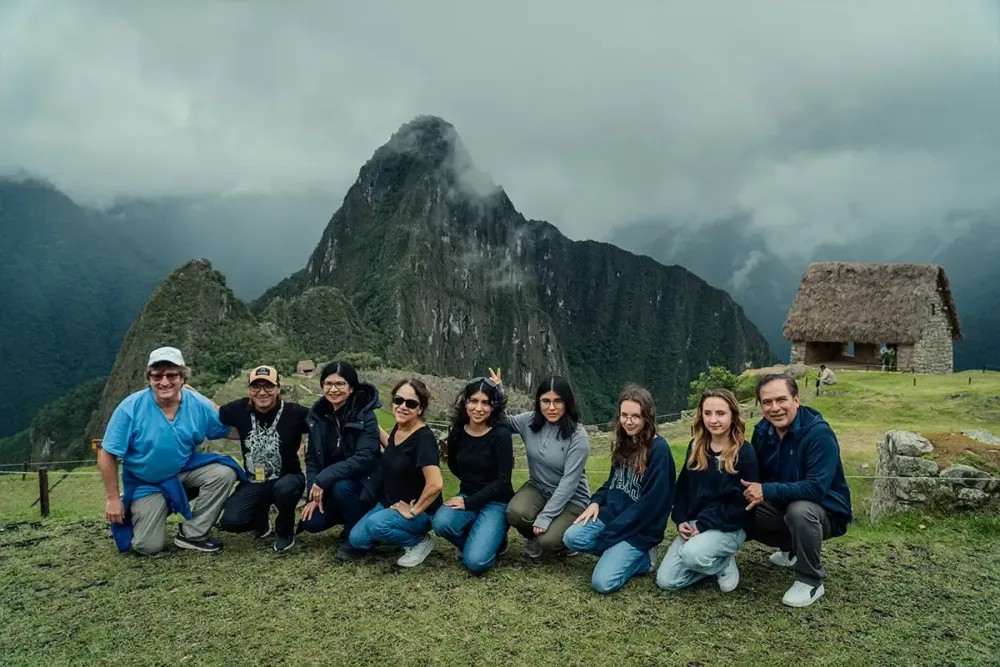
Children generally do best at Machu Picchu from about age 6 or 7, when they can walk uneven paths on their own and stay engaged with a guide's stories. Younger kids can still visit, but parents should expect to carry toddlers on the steeper stone stairs, and the long travel days wear on very small children.
Here is how the experience tends to vary by age:
| Age group | What to expect | Best approach |
|---|---|---|
| Toddlers (1 to 4) | Needs carrying on steps; short attention span | Baby carrier, short visit, flexible private tour |
| Young kids (5 to 8) | Can walk most of the site with breaks | Circuit 2, frequent snacks, a patient guide |
| Older kids (9 to 12) | Handles full visit and light hikes | Add a Sacred Valley day or an easy walking route |
| Teenagers (13+) | Can manage demanding routes | Consider the Inca Trail if fit and willing |
Preparation starts weeks before the trip. Talk through what Machu Picchu is so kids arrive curious rather than bored. Pack familiar snacks, and build in a buffer day so one tired morning does not derail the whole itinerary. For most first-time families, a realistic plan is at least 5 to 6 days in the Cusco region.
Managing Altitude and Long Travel Days with Kids
When you visit Machu Picchu with kids, the altitude concern centers on Cusco, not the citadel, because Cusco sits around 3,400 m while Machu Picchu is far lower. The CDC notes that children are as susceptible as adults to altitude illness (CDC Yellow Book), so families should not assume kids adjust automatically. The same guidance flags risk for unacclimatized travelers sleeping at 2,450 m (8,000 ft) or higher.
The CDC recommends acclimatizing for a minimum of 2 to 3 nights at moderate altitude before going higher. For a family trip, that translates into a clear rule: do not fly into Cusco and rush straight to Machu Picchu. A gentler plan helps everyone, and children especially.
A kid-friendly acclimatization flow looks like this:
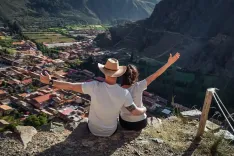
- Arrive and head to the Sacred Valley (around 2,800 m), which is lower and warmer than Cusco.
- Spend 2 nights there with easy activities and plenty of water.
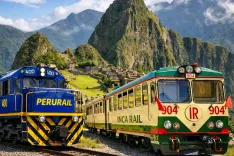
- Take the train to Machu Picchu, then explore the citadel.
- Return to Cusco afterward, once the family is adjusted.
Watch children for headaches, poor appetite, trouble sleeping or unusual fussiness, which can signal mild altitude sickness. Keep the first day light, skip strenuous play, and talk to your pediatrician before the trip, particularly for kids with heart or lung conditions. Long travel days also tire children, so split transfers with meal and bathroom stops rather than pushing through.
Which Activities and Shorter Routes Suit Kids?
The best family route is Circuit 2, which delivers the classic postcard viewpoint and the main ruins with moderate walking and no steep summit climbs. Machu Picchu uses defined entry circuits set by Peru's Ministry of Culture, and families should choose a route that matches short legs and short attention spans rather than the most strenuous option.
A few practical route notes for families:
- Circuit 2 covers the famous panorama and the upper and lower urban areas, which is plenty for kids.
- Huayna Picchu, the tall peak behind the ruins, does not allow children under 12 and involves steep, exposed stairs.
- Skip add-on mountain climbs with young children; the main circuit already offers the iconic views.
Children often engage most with the living details rather than the history. Llamas and alpacas wander the terraces, lizards dart across the stones, and the terraced farming layout makes a good talking point. A guide who tells stories at a child's level keeps young visitors interested far longer than a dry recitation of dates.
Around Machu Picchu, the Sacred Valley adds gentle, kid-friendly options: salt terraces at Maras, round farming terraces at Moray, and markets with textiles and treats. These low-key days double as acclimatization and give children a break from early starts. A flexible family tour lets you swap or shorten activities on the spot when energy runs low.
What Should Families Pack and Know About Safety?
Smart packing and a few safety habits keep a Machu Picchu family trip comfortable. The site has strong sun, uneven footing and variable weather, so the priority is sun protection, grippy footwear and layered clothing that handles both mountain chill and midday heat. Skip the official ticket worries by confirming entry and circuits before you travel through the Ministry of Culture's booking site (tuboleto.cultura.pe) or your tour operator.
A practical family packing list:
- Closed-toe shoes or hiking sandals with good grip for stone steps.
- Sun hats, high-SPF sunscreen and sunglasses for the intense Andean sun.
- Light layers plus a rain shell; mountain weather shifts quickly.
- Refillable water bottles and familiar snacks for low-energy moments.
- Any child medications, plus basics for headaches and upset stomachs.
- A small daypack; large bags are restricted inside the site.
On safety, keep younger children within arm's reach near terrace edges and steep steps, since some areas have exposed drops. Restrooms are at the entrance, not inside the ruins, so plan bathroom stops before you enter. Stay hydrated, pace the day around the hottest hours, and do not over-schedule. Children enjoy Machu Picchu far more when the day leaves room to rest.
To turn this into a booked trip, the simplest next step is to request a family itinerary that builds in acclimatization, an easy circuit and flexible pacing. Share your kids' ages and travel dates with Machupicchutour, and we will map a realistic family plan, from the Sacred Valley to the citadel, so you arrive prepared rather than guessing.
Frequently asked questions
What is the best age to take kids to Machu Picchu?
Most families do well with children aged 6 and up, when kids can walk uneven stone paths and stay engaged with a guide. Toddlers can visit but need carrying on steep steps, and the long travel days are harder on very young children.
Is the altitude at Machu Picchu dangerous for children?
Machu Picchu sits lower than Cusco, so the citadel rarely causes problems. The CDC notes children are as susceptible as adults to altitude illness, so the bigger concern is Cusco at about 3,400 m. Spend 2 to 3 nights acclimatizing first.
Can young children hike the Inca Trail?
There is no official minimum age, but the 4-day Inca Trail is demanding, and most operators recommend it only for fit children around 8 to 12 and older. Families with younger kids usually take the train to Machu Picchu instead.
How many days do I need for a Machu Picchu trip with kids?
Plan at least 5 to 6 days in the Cusco region. That allows 2 to 3 nights to acclimatize, a relaxed Sacred Valley day, and the Machu Picchu visit itself without rushing tired children through long travel days.
Which Machu Picchu circuit is best for families?
Circuit 2 is the best all-round choice. It delivers the classic postcard viewpoint and the main ruins with moderate walking. Avoid Huayna Picchu, which is steep and does not allow children under 12.