There are three practical ways to get to Machu Picchu from Cusco: the train from Ollantaytambo, the train from Poroy near the city, or the low-cost overland route through Hidroelectrica. Most travelers pick a train for speed and comfort, while budget travelers take the long road to Hidroelectrica and walk the final stretch. This guide covers each Cusco to Machu Picchu option, with real travel times, distances, and timing advice so you can choose the route that fits your schedule and budget. Machu Picchu sits about 80 km northwest of Cusco, but there is no direct road to the citadel. That single fact shapes every route below. You will always end up in the small town of Aguas Calientes at the base of the mountain, then ride a short bus or walk up to the entrance.
Key takeaways
- The fastest way to get to Machu Picchu from Cusco is the train to Aguas Calientes, which runs roughly hourly from Ollantaytambo in about 1 hour 30 minutes.
- The cheapest route is by road to Hidroelectrica, then a flat 10 km (6.2 mile) walk to Aguas Calientes that takes 2 to 3 hours.
- Machu Picchu sits at 2,430 meters (7,970 ft), nearly 1,000 meters lower than Cusco at 3,399 meters, so the citadel itself is kinder on the lungs than the city.
- Spend at least two nights in Cusco first to acclimatize, and book train tickets and timed entry slots well in advance for high season.
What Are the Main Routes From Cusco to Machu Picchu?
Every route funnels into Aguas Calientes, the town below the ruins. The difference is how you reach it. You can take a train the whole way, drive to a train station and ride the rest, or take the long overland road to Hidroelectrica and walk. Machu Picchu is a UNESCO World Heritage site, inscribed in 1983 (UNESCO World Heritage Centre), and access is deliberately limited, which is why planning the route ahead matters.
Here is how the three main options compare at a glance:
- Train from Ollantaytambo: the standard choice. Fast, scenic, and reliable.
- Train from Poroy or Cusco: convenient when the service is running, but longer and sometimes suspended.
- Hidroelectrica overland: the cheapest way, trading money for a long drive and a 10 km walk.
Whichever you choose, you reach Aguas Calientes first. From there a shuttle bus climbs to the citadel gate in about 25 minutes, or you can hike up a steep stone trail in roughly 90 minutes.
How Do the Train Options From Poroy and Ollantaytambo Work?
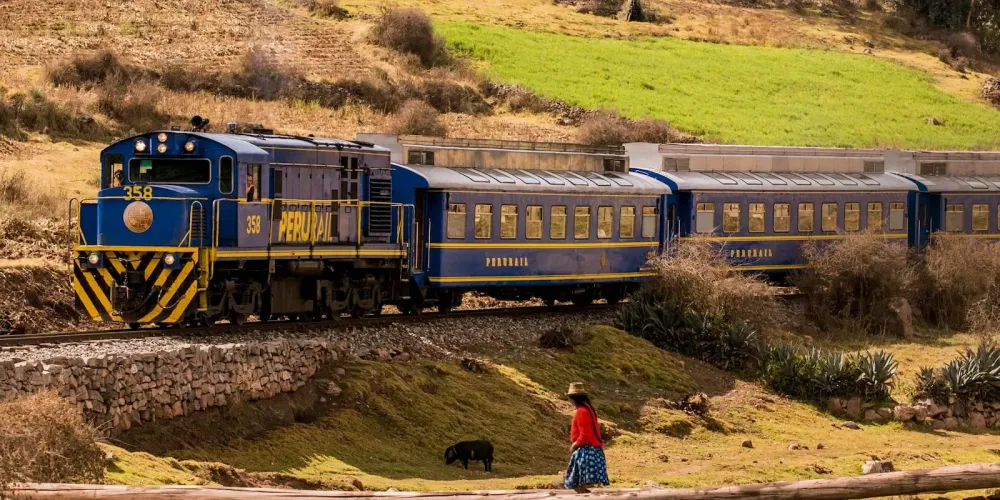
The train is the quickest and most comfortable way to get to Machu Picchu from Cusco. The ride from Ollantaytambo to Aguas Calientes takes about 1 hour 30 minutes and runs roughly hourly through the day. Ollantaytambo is the busiest departure point because it sits deep in the Sacred Valley, closer to the ruins than Cusco itself.
To reach Ollantaytambo, you first travel about 72 km by road from Cusco, which takes 1.5 to 2 hours by car, shuttle, or colectivo. Many travelers break the journey here and spend a night in the Sacred Valley, which also helps with acclimatization since Ollantaytambo sits lower than Cusco.
The Poroy station sits just outside Cusco, about 20 minutes from the city center. When Poroy service operates, the train takes roughly 3 hours 30 minutes to Aguas Calientes because it covers far more track. Poroy departures have been suspended at various times for maintenance on the line, so confirm the current schedule before you count on it. If Poroy is closed, you simply transfer to Ollantaytambo by road.
Two operators run the line: PeruRail, which departs from Poroy, Ollantaytambo, and Urubamba, and Inca Rail, which departs from Ollantaytambo only. Both offer tiers from budget seats to panoramic-window luxury cars. Book early in high season, because seats sell out alongside the capped entry tickets. If you would rather not juggle separate road transfers, train tickets, and timed entry slots, a planning service like Machupicchutour can bundle the Cusco to Machu Picchu logistics into one booking.
How Does the Budget Route via Hidroelectrica Work?
The Hidroelectrica route is the cheapest way to get to Machu Picchu from Cusco, built around a long drive and a flat walk instead of a train fare. From Hidroelectrica station you follow the railway on foot for about 10 km (6.2 miles) to Aguas Calientes, a walk of 2 to 3 hours on nearly level ground. It is the trade: you save a significant amount of money and spend most of a day traveling.
The drive from Cusco to Hidroelectrica covers roughly 213 km and takes 5 to 6 hours, often by shared van over winding mountain roads. The scenery is spectacular as you descend into cloud forest, but the road can be tiring. Most people doing this route leave Cusco very early and reach Aguas Calientes by late afternoon.
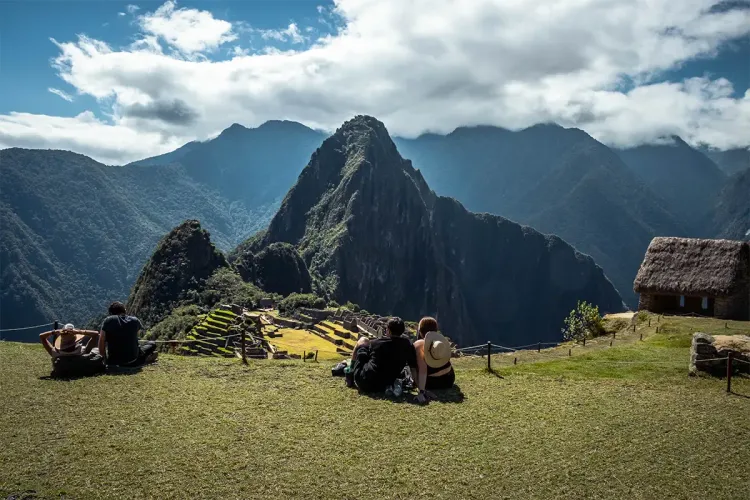
The walk itself is one of the highlights for many travelers. You follow the train tracks beside the Urubamba River, with Machu Picchu mountain rising above you. The path is flat and well marked, so you do not need technical hiking skills, just comfortable shoes and water. Because the day is so long, staying overnight in Aguas Calientes before visiting the citadel the next morning is the sensible plan.
What Travel Times and Distances Should You Expect?
Planning around the real numbers keeps your day realistic. The train routes get you to Aguas Calientes in roughly half a day door to door, while the Hidroelectrica route eats a full day each way. Here is what each option looks like end to end.
- Cusco to Ollantaytambo: about 72 km, 1.5 to 2 hours by road.
- Ollantaytambo to Aguas Calientes: about 30 km by rail, 1 hour 30 minutes by train.
- Poroy to Aguas Calientes: about 3 hours 30 minutes by train when running.
- Cusco to Hidroelectrica: about 213 km, 5 to 6 hours by road.
- Hidroelectrica to Aguas Calientes: 10 km on foot, 2 to 3 hours.
- Aguas Calientes to the citadel gate: 25 minutes by bus or about 90 minutes on foot uphill.
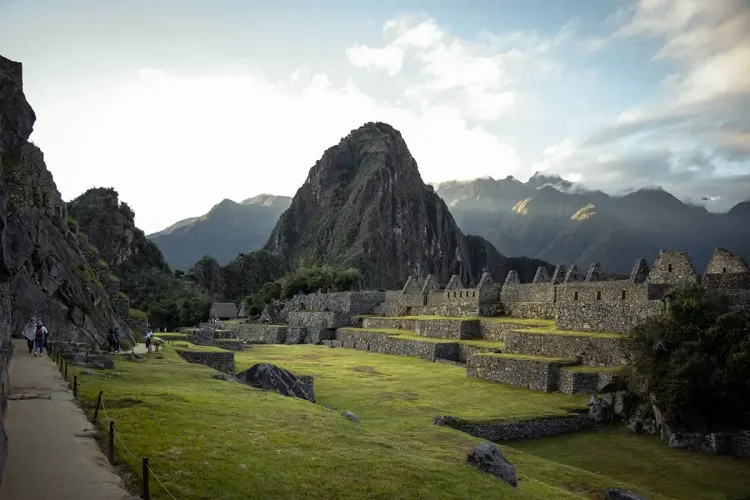
Altitude changes along the way too, and it works in your favor. Cusco sits at 3,399 meters (11,152 ft), Machu Picchu at 2,430 meters (7,970 ft), and Aguas Calientes lower still at 2,040 meters (6,690 ft). The citadel is nearly 1,000 meters below Cusco, so the ruins themselves are easier on your breathing than the city you started in.
How Should You Handle Flights, Acclimatization, and Timing?
Give yourself time at altitude before you travel onward. Most visitors fly into Cusco through Lima, and arriving straight into a city at 3,399 meters can trigger altitude sickness. Spend at least two nights in Cusco or the lower Sacred Valley before heading to Machu Picchu so your body adjusts.
For connecting flights, land in Cusco at least a full day before your Machu Picchu date. Morning flights from Lima are more reliable, since afternoon weather in the Andes causes frequent delays and cancellations. A tight same-day connection is a common way to miss a train, especially in the rainy season from roughly November to March.
Timing your entry matters because access is controlled. Peru's Ministry of Culture caps daily visitors and sells timed entry slots, so you cannot simply show up at the gate (Ministerio de Cultura del Perú). The cap tightens in high season, and popular morning slots go first. Book your entry ticket and your train together, several weeks ahead for the June to August peak.
If you take the slower Hidroelectrica route, build in an overnight in Aguas Calientes so you can catch the first buses up and enter the citadel fresh. Trains and buses from Aguas Calientes also fill up on the return leg, so reserve your way back at the same time you book your way in.
Start by locking in your Machu Picchu entry date and time slot first, then build your train seats, road transfers, and Cusco acclimatization nights around that fixed point. Once the entry slot is confirmed, the rest of the Cusco to Machu Picchu route falls into place.
Frequently asked questions
What is the fastest way to get to Machu Picchu from Cusco?
Take a car or shuttle to Ollantaytambo, then the train to Aguas Calientes, then a 25 minute bus up to the gate. Door to door this takes roughly 4 to 5 hours.
Can you get to Machu Picchu from Cusco without a train?
Yes. The budget route drives to Hidroelectrica in 5 to 6 hours, then you walk 10 km along the railway to Aguas Calientes in 2 to 3 hours. The Inca Trail and Salkantay treks are the other train-free options.
Do I need to stay overnight in Aguas Calientes?
Not always, but it helps. A night in Aguas Calientes lets you catch the first morning buses to the citadel and avoid a rushed same-day return, which matters most if you take the slower Hidroelectrica route.
How high is Machu Picchu compared to Cusco?
Machu Picchu stands at 2,430 meters while Cusco sits at 3,399 meters. The citadel is nearly 1,000 meters lower, so altitude sickness is far less likely at the ruins than in the city.
How far in advance should I book?
Book timed entry tickets and train seats several weeks ahead for the June to August high season. Daily entry is capped, so slots sell out and last-minute tickets are rarely available in peak months.