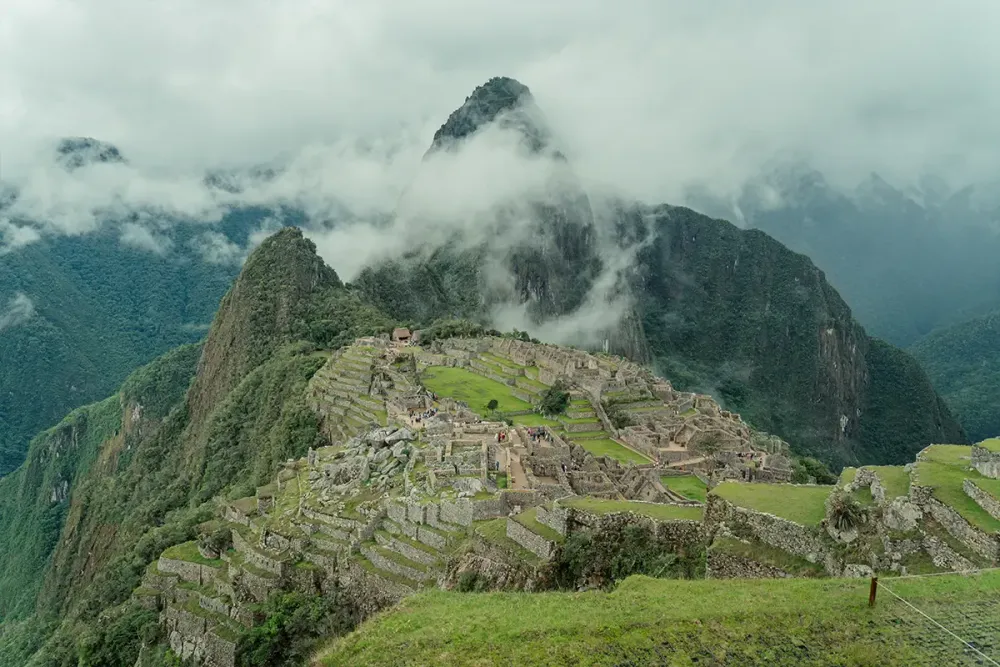
Peru's Andes run on two seasons: a dry season from May through September and a rainy season from November through March. If you are planning a trip around Cusco and Machu Picchu, those months matter more than any single "best time" rule, because they decide how muddy the trails are, how clear the mountain views are, and how many other travelers you share the site with. This guide breaks down Peru weather by month, compares the rainy and dry seasons, and shows how the picture changes across the coast, the mountains and the jungle. The goal is to help you pick travel dates that fit the trip you actually want.
Key takeaways
- Peru has two main seasons in the Andes: the dry season from May through September and the rainy season from November through March.
- Cusco's wettest month is January, averaging about 107 mm of rain across roughly 15 rainy days, while July averages only about 3 mm.
- June through August is the best window for the Inca Trail and most high-altitude treks, with the clearest skies and driest trails.
- The classic Inca Trail closes every February for maintenance, though Machu Picchu itself stays open all year.
- Peru's three regions run on different clocks: when Cusco is dry, Lima is often gray with coastal fog and the Amazon is in its high-water season.
Peru's Two Main Seasons at a Glance
Most of Peru's famous sights sit in the Andes highlands, so the highland calendar is the one to learn first.
| Season | Months | What to expect |
|---|---|---|
| Dry season | May to September | Clear skies, warm days, cold nights, firm trails, peak crowds |
| Rainy season | November to March | Afternoon showers, green landscapes, warmer nights, fewer visitors |
| Transition | April and October | Mixed conditions, occasional rain, moderate crowds and prices |
The dry season is the classic window for trekking and sightseeing. Days are pleasant and the odds of a clear Machu Picchu are high. The trade-off is company: June through August is also high season, so permits and hotels book out early.
The rainy season is milder than its name suggests. Rain usually arrives as afternoon thunderstorms rather than all-day downpours, mornings are often clear, and the hillsides turn a deep green. You give up some reliability in exchange for lower prices and thinner crowds.
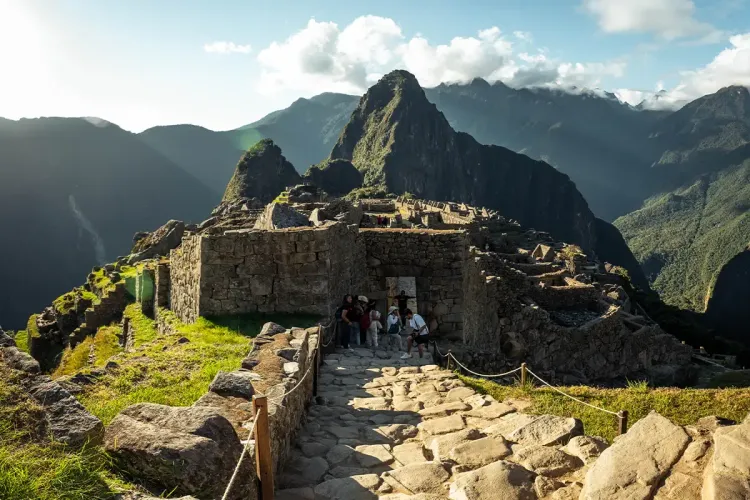
Month-by-Month Rainfall in the Andes
Cusco, at about 11,150 feet, is the gateway for most Machu Picchu trips, so its rainfall pattern is the one that affects your itinerary. The numbers below are long-term averages for the city.
| Month | Rainfall | Rainy days | Season |
|---|---|---|---|
| January | 107 mm | 15.5 | Rainy (peak) |
| February | 97 mm | 13.4 | Rainy (peak) |
| March | 66 mm | 11.1 | Rainy |
| April | 28 mm | 4.2 | Transition |
| May | 5 mm | 1.3 | Dry |
| June | 3 mm | 0.9 | Dry (peak) |
| July | 3 mm | 0.8 | Dry (peak) |
| August | 3 mm | 1.0 | Dry (peak) |
| September | 13 mm | 2.5 | Dry |
| October | 33 mm | 6.4 | Transition |
| November | 48 mm | 8.5 | Rainy |
| December | 81 mm | 13.2 | Rainy |
Source: Weather Spark, Cusco climate averages.
A few patterns stand out. January is the wettest month by a clear margin, with rain on roughly half the days. July is the driest, with measurable rain on fewer than one day in the month. The swing between the two is dramatic: Cusco gets more than thirty times as much rain in January as in July.
Temperatures move less than you might expect. Daytime highs hover in the low 60s Fahrenheit all year. The real seasonal difference is at night. Dry-season nights can drop near freezing, especially in June and July, while cloud cover keeps rainy-season nights milder.
Machu Picchu Rainy Season: What It Really Means
Machu Picchu is open every day of the year, including January and February when rainfall peaks. The rainy season does not close the site, and it does not ruin a visit. What it changes is the texture of the trip.
In the wet months you can expect:
- Afternoon showers, with clearer mornings that reward an early arrival
- Mist drifting through the ruins, which obscures some wide views but produces striking photos
- Muddier, more slippery trails on any walking routes
- Noticeably fewer visitors than the June to August peak
- Lower rates on many hotels and some tours
The one hard closure to plan around is the classic Inca Trail, which shuts down every February for maintenance and erosion repair along the route. Machu Picchu stays open, and you can still reach it by train and bus during that month, so a February closure of the trail does not cancel a Machu Picchu visit. It only removes the four-day trek from your options.
Best and Worst Months for Trekking
For any multi-day hike at altitude, the Inca Trail, Salkantay, Lares or Ausangate, the dry season is the clear winner. Firm ground, reliable skies and long sightlines make the walking safer and the scenery more rewarding.
| Window | Months | Verdict for trekking |
|---|---|---|
| Best | June, July, August | Driest trails, clearest skies, coldest nights, heaviest crowds |
| Excellent | May, September | Dry and slightly warmer at night, fewer trekkers |
| Workable | April, October | Occasional rain, generally manageable, good value |
| Avoid | January to March | Heavy rain, mud, poor visibility, February trail closure |
If you are set on the classic Inca Trail during the June to August peak, book permits several months ahead. Daily permits are capped and the best dates sell out early. Travelers who want dry-season conditions with a little more breathing room often do better in May or September.
Planning this part well is where a knowledgeable local operator earns its keep. At [Machupicchutour](https://machupicchutour.com), we match your dates to the right trek and handle permit timing, train tickets and entrance circuits so the logistics line up before you arrive.
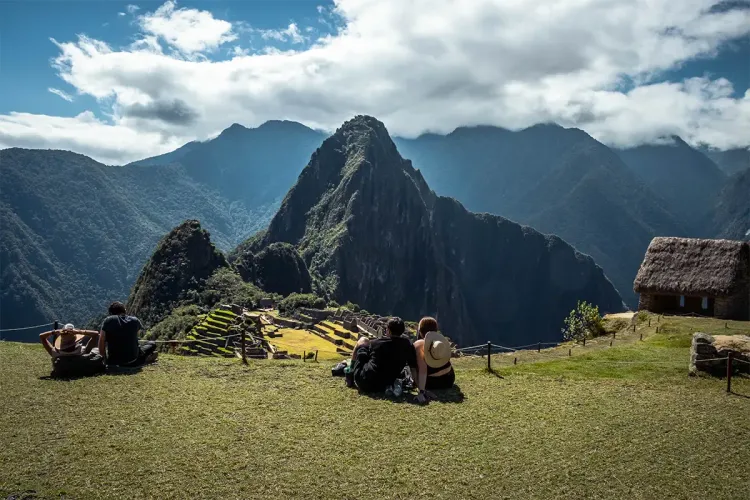
Regional Differences: Coast, Mountains and Jungle
Peru's three regions do not share a calendar. Understanding this keeps you from packing for one climate and landing in another.
The Coast (Lima)
Lima sits in one of the driest deserts on earth and sees almost no real rain. Its seasons are defined by sun and fog instead. From roughly May through November, a dense coastal mist called the garúa settles over the city, leaving skies gray and damp for weeks. Lima is one of the cloudiest major capitals as a result, receiving only around 1,230 hours of sunshine per year, far less than sunnier coastal cities. The irony for trip planners is that Lima's gloomiest stretch overlaps with the Andes dry season. Summer on the coast, December through April, is when Lima turns bright and warm.
The Mountains (Cusco and the Sacred Valley)
The highlands follow the dry and rainy pattern described above. High elevation means intense sun by day, cool to cold nights, and quick temperature swings whenever clouds move in. This is the region whose calendar most travelers build their trip around, since Cusco, the Sacred Valley and Machu Picchu all share it.
The Jungle (Amazon Basin)
The Amazon has no true dry season. Instead it runs on water levels. The high-water season, roughly December through May, lifts the rivers and floods the forest, which is ideal for reaching remote areas by boat and exploring flooded woodland. The low-water season, roughly June through November, exposes riverbanks and beaches, favors jungle hikes and fishing, and tends to bring fewer mosquitoes. Either season works for a lodge stay; the right choice depends on whether you want to paddle through flooded forest or walk forest trails.
This mismatch between regions is why a well-sequenced itinerary matters. The same two weeks can deliver a sunny coast, a dry mountain trek and a productive jungle stay, or the opposite, depending on how you order the stops.
Packing Implications for Each Season
Your gear list should follow your dates, not a generic "Peru" checklist. Altitude also means strong sun protection matters in both seasons, even when it feels cool.
Dry season (May to September)
- Warm layers for cold nights, including a hat and gloves for June and July
- A light down or fleece jacket for early mornings and evenings
- Sunscreen, sunglasses and a brimmed hat for intense high-altitude sun
- Broken-in hiking shoes; a light rain layer as a just-in-case
Rainy season (November to March)
- A genuinely waterproof jacket and a pack rain cover
- Quick-dry pants and shirts rather than cotton
- Waterproof or water-resistant footwear with good grip for muddy trails
- The same sun protection as above, since bright spells are common between showers
Whatever the month, layering is the core strategy. Highland temperatures can shift from warm midday sun to near-freezing nights within hours, and the right mix of layers handles far more than any single heavy coat.
Choosing Your Dates
If you want the most reliable weather and do not mind crowds, aim for June through August. If you prefer fewer people, lower prices and greener scenery, and you can accept afternoon showers, the November to March window rewards you. For a balance of both, May, September and October are the quiet strengths of the Peruvian calendar.
Once you have a target month, the next step is sequencing the coast, mountains and jungle so each region lands in its better season. Share your travel dates and the regions you want to see, and request a quote from Machupicchutour for an itinerary built around the weather rather than against it.
Frequently asked questions
What are the rainy and dry seasons in Peru?
In the Andes, including Cusco and Machu Picchu, the dry season runs from May through September and the rainy season runs from November through March. April and October are transition months with variable weather.
Is Machu Picchu open during the rainy season?
Yes. Machu Picchu is open 365 days a year, including the wettest months of January and February. Only the classic Inca Trail closes, and only for the month of February.
What is the wettest month at Machu Picchu?
January is the wettest month in the Cusco region, averaging about 107 mm of rain over roughly 15 rainy days, usually falling as afternoon thunderstorms. February is close behind.
When is the best time to hike the Inca Trail?
June, July and August are the driest and most reliable months for trekking, with clear skies and firm trails. May and September are excellent alternatives with slightly thinner crowds.
Do I need different clothes for Peru's dry and rainy seasons?
Yes. The dry season calls for warm layers for cold nights, while the rainy season requires a waterproof jacket, rain cover and quick-dry footwear. Both seasons need strong sun protection at altitude.