A budget trip to Machu Picchu in 2026 costs roughly $130 to $165 per person for two days if you skip the train and take the Hidroelectrica route. Add the train and a private room and you are looking at about $290 to $386. The site itself is not expensive. The travel in and out of it is where your money goes, and that is exactly where smart choices save you the most. This breakdown walks through every real cost for a Machu Picchu trip on a budget: the entrance ticket, the two ways to get there, lodging in Aguas Calientes, meals and the extras people forget. It finishes with two sample itineraries so you can see the budget and comfort versions side by side and pick the one that fits your trip.
Key takeaways
- A no-frills Machu Picchu trip in 2027 runs roughly $130 to $165 per person for two days, mainly because the Hidroelectrica route replaces the train.
- The foreign-adult entrance ticket for standard circuits costs S/163 (about $48), including the SERNANP conservation fee.
- The train from Ollantaytambo to Aguas Calientes is the single biggest splurge at $62 to $90 each way in budget class.
- The Consettur shuttle bus up to the gate is $24 round-trip, a cost many budget travelers skip by walking up instead.
- A mid-comfort trip using the train lands closer to $290 to $386 per person, still far below most packaged tours.
Average total Machu Picchu trip cost in 2026
Here is what a visit actually costs once you add up the pieces. These figures are per person and assume you are already in Cusco.
| Expense | Budget option | Mid-comfort option |
|---|---|---|
| Entrance ticket | $48 (standard circuit) | $62 (with mountain hike) |
| Transport to Aguas Calientes | $25 to $35 (Hidroelectrica round-trip) | $124 to $180 (train round-trip) |
| Consettur shuttle bus | $0 (walk) to $24 | $24 |
| Lodging, 1 night | $15 to $25 | $40 to $60 |
| Meals, 2 days | $20 to $30 | $40 to $60 |
| Total | $132 to $162 | $290 to $386 |
The gap between the two columns is almost entirely the train. Everything else moves by a few dollars. If you remember one thing from this article, it is that your transportation choice decides your budget.
The cheapest ways to reach the site
There is no road directly to Machu Picchu, so every visitor arrives in the town of Aguas Calientes first. You have two realistic ways to get there, and they are priced worlds apart.
Option 1: The Hidroelectrica route (cheapest)
This is how budget travelers and most Peruvians reach Machu Picchu. A shared minivan runs from Cusco to a spot called Hidroelectrica for $15 to $30 each way. From there, you walk two to three hours along the train tracks into Aguas Calientes. The walk is flat, scenic and free.
- Round-trip transport: roughly $30 to $60
- Travel time: about 6 to 7 hours each way from Cusco, including the walk
- Best for: travelers with time and reasonable fitness who want to cut costs hard
The trade-off is a long day. You leave Cusco early and arrive in Aguas Calientes in the late afternoon. Most people doing this route stay one night, visit the ruins the next morning and walk back out.
Option 2: The train (faster, pricier)
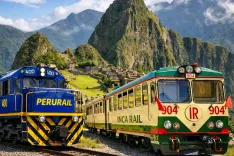
The train from Ollantaytambo to Aguas Calientes is the comfortable, direct option. Budget-class fares on the main operators run about $62 to $90 each way, which makes the round trip the single largest line item in a train-based trip. Prices rise with demand and sell out in peak months, so dynamic pricing can push these figures higher on popular dates.
- Round-trip fare: roughly $124 to $180 in the cheapest class
- Travel time: about 1.5 to 2 hours each way, plus the bus or drive to Ollantaytambo
- Best for: travelers short on time, families, and anyone who would rather not do a long trek-in
Saving money on tickets, trains and lodging
Entrance tickets
The entrance ticket is a fixed cost, so there is no bargaining it down, but there is a right way to buy it. A foreign-adult ticket for the standard circuits is S/163, about $48, which includes a S/11 conservation fee for SERNANP, Peru's national protected-areas service, added recently. A ticket that includes a mountain hike such as Huayna Picchu or Machu Picchu Mountain runs S/211, about $62.
Tickets are sold online through the official Peru Ministry of Culture portal, and there is no reliable way to buy them at the gate. The site is a UNESCO World Heritage Site with a daily visitor cap, so the standard circuits are the budget choice, and the mountain add-ons are worth it only if you specifically want the climb.
A practical note on availability: the daily limit is 4,500 visitors on normal days and 5,600 during peak periods, which means tickets genuinely sell out in June through early November and around major holidays. If dates are tight, having a local operator secure the ticket, train slot and bus in one booking removes the risk of a sold-out day derailing the trip. This is the kind of logistics a Peru-based operator like Machupicchutour handles routinely for US travelers who do not want to juggle three separate booking systems in Spanish.
Trains
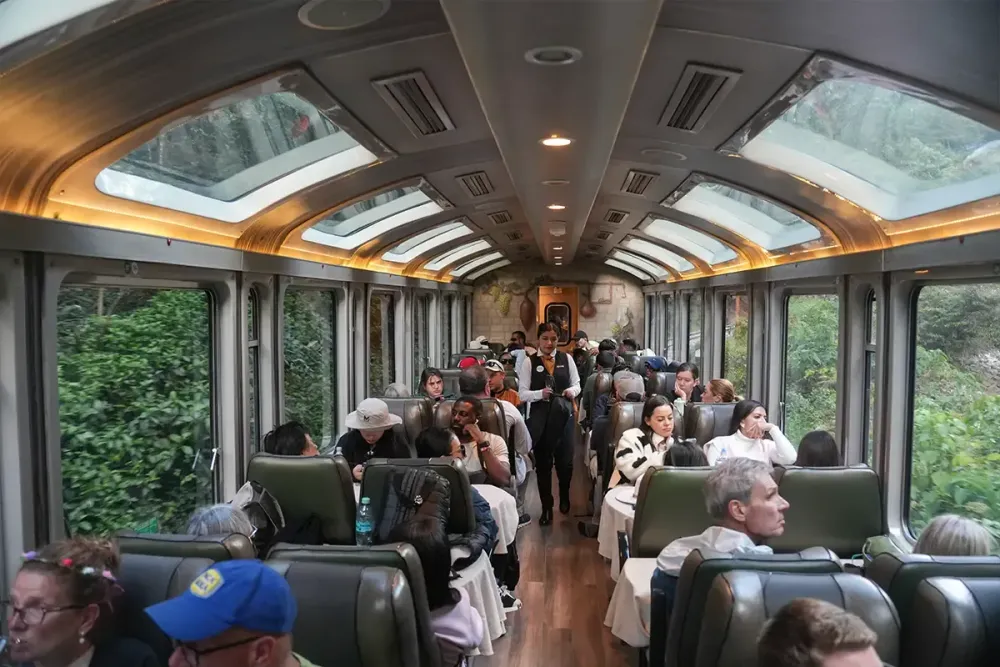
If you take the train, book early and travel on the cheapest class, usually called Expedition or Voyager. These seats get you there in the same time as the pricier panoramic cars. The view out the window is identical; you are paying extra only for bigger windows and a snack. Midday and late trains are often cheaper than the dawn departures everyone wants.
The bus up to the gate
From Aguas Calientes, the Consettur shuttle to the entrance is $24 round-trip. You can skip it entirely by walking the steep trail up, which takes most people 60 to 90 minutes. Many budget travelers walk up early and take the bus down, or walk both ways and save the full $24.
Lodging
Aguas Calientes has plenty of budget beds. A hostel dorm runs $9 to $20 per night, and a basic private room is $20 to $50. Because most visitors arrive and leave within 24 hours, you only need one night. Booking a simple room near the plaza keeps you close to the morning bus line and the trailhead.
Free and low-cost activities nearby
A tight budget does not mean the trip ends at the ruins. Aguas Calientes and the surrounding area have several things to do for little or no money.
- The walk from Hidroelectrica: The two-to-three-hour track walk is free and passes waterfalls and cloud-forest scenery. For budget travelers it doubles as transport and a highlight.
- Mandor Gardens and waterfalls: A short, inexpensive walk from town leads to gardens and a waterfall, a quiet alternative to the crowds.
- The town plaza and market: Browsing the artisan market and the main square costs nothing and is a good place to eat cheaply.
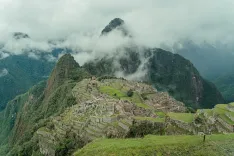
- The sun gate hike (Inti Punku): Once inside the site, this walk is included in your ticket and gives you the classic postcard view without any extra fee.
- The hot springs: The thermal baths that give Aguas Calientes its name charge a small entry fee and are a relaxing end to a long walking day.
Sample budget vs comfort itineraries
Seeing the two trips laid out side by side makes the decision easier. Both assume you start and end in Cusco.
The budget itinerary (2 days, 1 night)
Day 1: Early shared minivan from Cusco to Hidroelectrica. Walk 2 to 3 hours to Aguas Calientes. Check into a hostel, eat at a local menu spot and rest.
Day 2: Walk up to the entrance at dawn or take the first bus. Visit the standard circuit. Walk back down, return to Hidroelectrica and catch the minivan to Cusco.
- Estimated cost: $132 to $162 per person
- Pace: demanding, lots of walking
- Best for: solo travelers, backpackers and anyone comfortable on their feet
The mid-comfort itinerary (2 days, 1 night)
Day 1: Transfer to Ollantaytambo and take an afternoon train to Aguas Calientes. Check into a comfortable room and have a relaxed dinner.
Day 2: Take the Consettur bus up at your reserved entry time. Visit the site, optionally add a mountain hike, then take the train and transfer back to Cusco.
- Estimated cost: $290 to $386 per person
- Pace: relaxed, minimal walking
- Best for: families, couples, seniors and first-time visitors who value time and comfort
For most first-time travelers, the mid-comfort version is the better value once you factor in how tiring the Hidroelectrica route can be at altitude. If you have only a couple of days and want to protect them, the train earns its cost. If time is abundant and the budget is the hard limit, the Hidroelectrica route is a genuine, well-trodden option.
Planning your trip
The cheapest way to see Machu Picchu in 2026 is the Hidroelectrica route with a standard-circuit ticket and a walk up to the gate, which keeps a two-day trip near $130 to $165. The comfortable way, built around the train, is roughly double that and still a fair price for what you get. Whichever you choose, the two decisions that control your budget are the transport to Aguas Calientes and whether you take the bus up.
Once you know which version fits your trip, the next step is locking in dated availability, since the entrance tickets, train seats and bus run on separate systems that sell out independently. If you would rather not manage that yourself, request a quote from a local Peru operator such as Machupicchutour, confirm your exact dates and let the logistics be handled in one booking so you can spend your energy on the trip instead of the paperwork.
Frequently asked questions
How much does a budget trip to Machu Picchu cost in 2026?
A bare-bones two-day trip costs roughly $130 to $165 per person when you use the Hidroelectrica route instead of the train. Adding the train and a nicer room pushes it to around $290 to $386.
What is the cheapest way to reach Machu Picchu?
The cheapest route is a shared minivan from Cusco to Hidroelectrica for $15 to $30 each way, followed by a free two to three hour walk along the tracks to Aguas Calientes.
How much is a Machu Picchu entrance ticket in 2026?
A foreign-adult ticket for the standard circuits is S/163, about $48, which includes a S/11 SERNANP conservation fee. Adding a mountain hike raises it to S/211, about $62.
Do I have to take the bus up to Machu Picchu?
No. The Consettur bus is $24 round-trip, but you can walk the steep trail from Aguas Calientes to the entrance in about 60 to 90 minutes and save the fare.
Can I buy Machu Picchu tickets at the entrance?
No. Tickets are sold online through the Peru Ministry of Culture portal and sell out during peak months, so book well ahead or have a local operator secure them for you.